College Football 27 represents a structural reset for Dynasty mode, pushing it far beyond traditional win-loss management into a layered program simulation. EA has effectively rebuilt the mode around administrative pressure, financial planning, recruiting economics, and long-term roster sustainability. The result is a system that feels closer to running an athletic department than playing a sports game.
At the same time, this depth introduces friction. The mode is significantly more demanding than anything seen in earlier entries, and it will likely divide players between those who want strategic control and those who prefer a streamlined coaching experience.
Multi-Layer Program Expectations Redefine Success
One of the most significant changes is the introduction of multi-dimensional job expectations. Every school now assigns three simultaneous objectives when you take over a program.
These include performance targets (such as winning championships within a set window), recruiting benchmarks (like landing top-ranked classes), and situational priorities such as rivalry performance or turnover control. Importantly, these expectations are not static.
As you succeed, the bar increases. A program that once expected bowl eligibility may evolve into a playoff-contending standard within a few seasons. This creates a dynamic pressure loop where success increases difficulty rather than stabilizing it.
Job security is directly tied to these evolving metrics, making every season a negotiation between short-term results and long-term program identity.
Dynasty Blueprint: A Full Program Economy
At the center of College Football 27’s structure is the Dynasty Blueprint system. This functions as a seasonal economy governed by a single resource pool: CFB 27 Coins.
This currency is allocated across four primary systems:
- Coaching staff acquisition and retention
- Facility upgrades
- NIL spending
- Strategic blueprint investments
The key constraint is that this budget resets every season. Nothing carries over. This forces a constant strategic decision: build for immediate success or invest in long-term infrastructure.
Programs earn currency based on:
- School prestige metrics
- Conference strength
- Stadium atmosphere and tradition
- Recruiting success
- On-field performance (bowl games, playoff runs, championships)
The gap between programs is substantial. Elite schools can operate with vastly larger budgets than smaller programs, reinforcing a realistic “resource inequality” model.
NIL System: Recruiting Becomes a Financial Market
The NIL system is one of the most complex additions in the franchise’s history. It splits into two distinct layers:
Recruiting NIL
Every recruit now has individualized financial expectations based on:
- Star rating
- Position value
- School prestige
- Deal breakers
A top recruit may demand significantly more compensation from a smaller school than a powerhouse, reflecting real-world recruiting dynamics.
Roster NIL
Existing players also carry financial value. As they improve, their retention cost increases. This creates a continuous financial tension: developing players makes them more expensive to keep.
This system introduces roster compression, where incoming recruits and rising veterans compete for the same limited budget. Managing this cycle becomes one of the core challenges of Dynasty mode.
Support Staff and Facilities Add Strategic Depth
Support staff now function as modular program modifiers. Schools can hire up to five staff members ranked from bronze to platinum tiers. These personnel provide long-term and short-term advantages such as:
- Recruiting efficiency boosts
- Player progression improvements
- NIL negotiation assistance
- Fundraising and delayed budget returns
Facilities operate on a tiered system ranging from basic to national powerhouse. Upgrades improve recruiting appeal and player development rates, while equipment provides temporary gameplay advantages such as injury reduction or performance boosts.
Together, staff and facilities create a dual-layer investment system: one focused on immediate competitive gains and another on long-term program growth.
Coaching Carousel Becomes a Strategic Market
The coaching carousel has been redesigned into a transparent labor market. Every job opening includes:
- Available program budget
- Roster quality overview
- Competing candidates
- Expected annual resource generation
Coaches now have fluctuating value based on demand, prestige, and recent success. This creates a bidding system where schools compete for coaching talent using Dynasty resources.
Importantly, applying for jobs is now binding. Mismanaging applications can reduce coach stability, adding risk to career mobility decisions.
Dynamic Systems, Presentation Upgrades, and Immersion
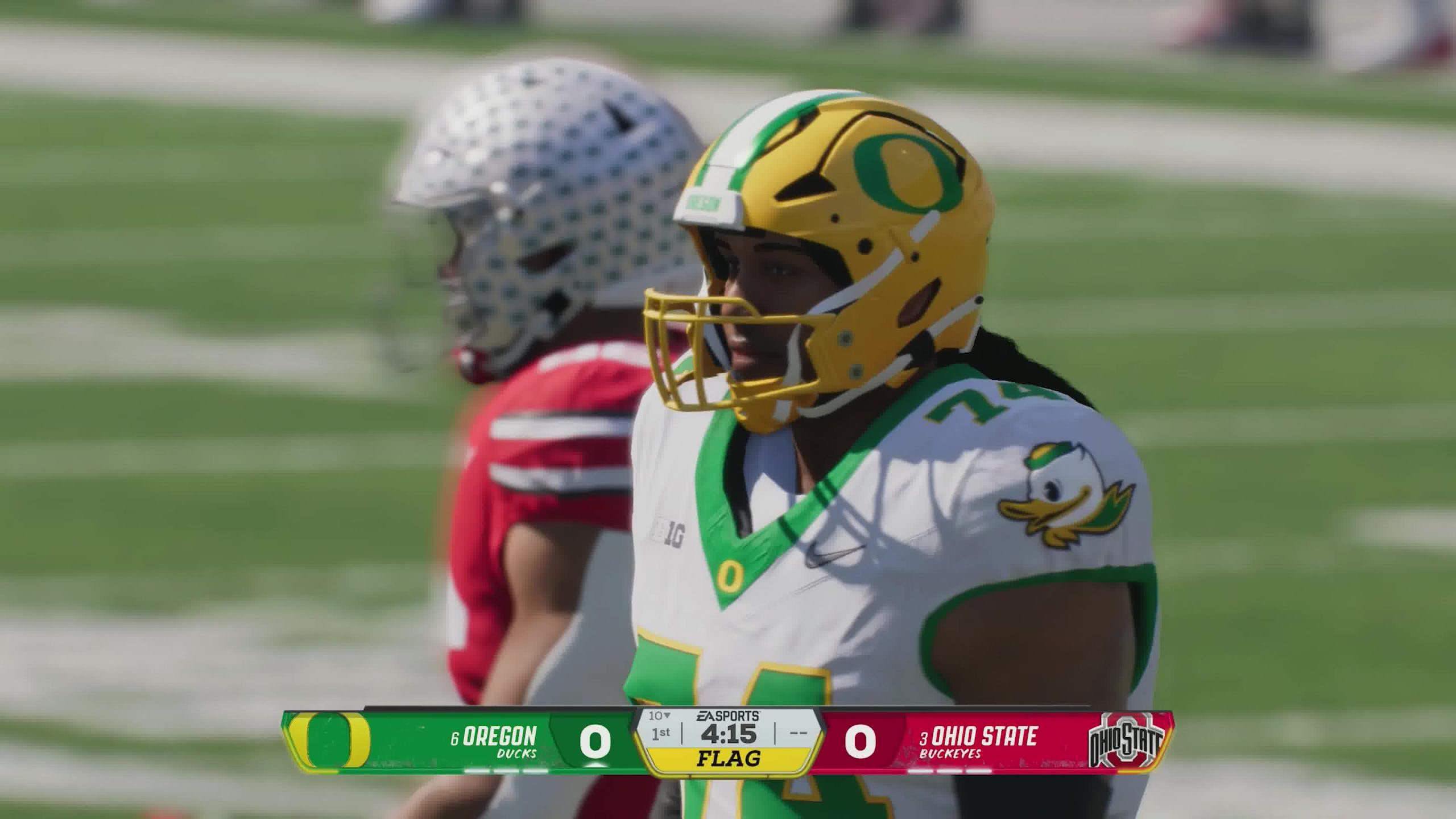
Beyond management systems, College Football 27 introduces major presentation upgrades:
- Dynamic weather that evolves during gameplay
- Stadium atmosphere variations tied to rivalry and ranking
- Expanded traditions, mascots, and school-specific celebrations
- Enhanced broadcast storytelling with real-time league context
- Improved coach mode with stricter control limits late in play clocks
These systems reinforce immersion by making games feel context-sensitive rather than static simulations.
The Rain Maker Controversy
The most debated feature is the Rain Maker skill tree, tied to NIL and program financial efficiency. It is locked behind a limited-time subscription bundle priced at a premium tier, with availability restricted to a short purchase window.
This design has sparked criticism because it introduces a time-gated monetization structure to a core Dynasty mechanic. While it can be disabled in online leagues, the concern is not gameplay balance—it is precedent. It suggests that foundational strategic systems may increasingly be tied to external monetization layers.
Conclusion
College Football 27’s Dynasty mode is no longer a simple coaching simulation. It is a layered management ecosystem combining budgeting, recruiting economics, facility planning, and coaching market dynamics.
For players willing to engage with its complexity, it offers unprecedented depth. For others, it may feel like an administrative simulation wrapped around a football game.
Either way, the system represents a clear shift in design philosophy: Dynasty is no longer just about winning games—it is about running a program.
For players navigating the competitive ecosystem, understanding resource flow—including systems like CFB 27 Coins and optional progression tools such as Buy College Football 27 Coins strategies—may become as important as on-field performance itself.